Owning a Phinisi: The Start-Here Roadmap
Buy vs build, budget ranges, legal structure, operating costs and exit.
Phinisi Owner FAQ
Short answers to what guests ask when they charter a phinisi directly from its owner — rates, deposits, inclusions, safety and seasons. Every figure is an estimate unless marked.
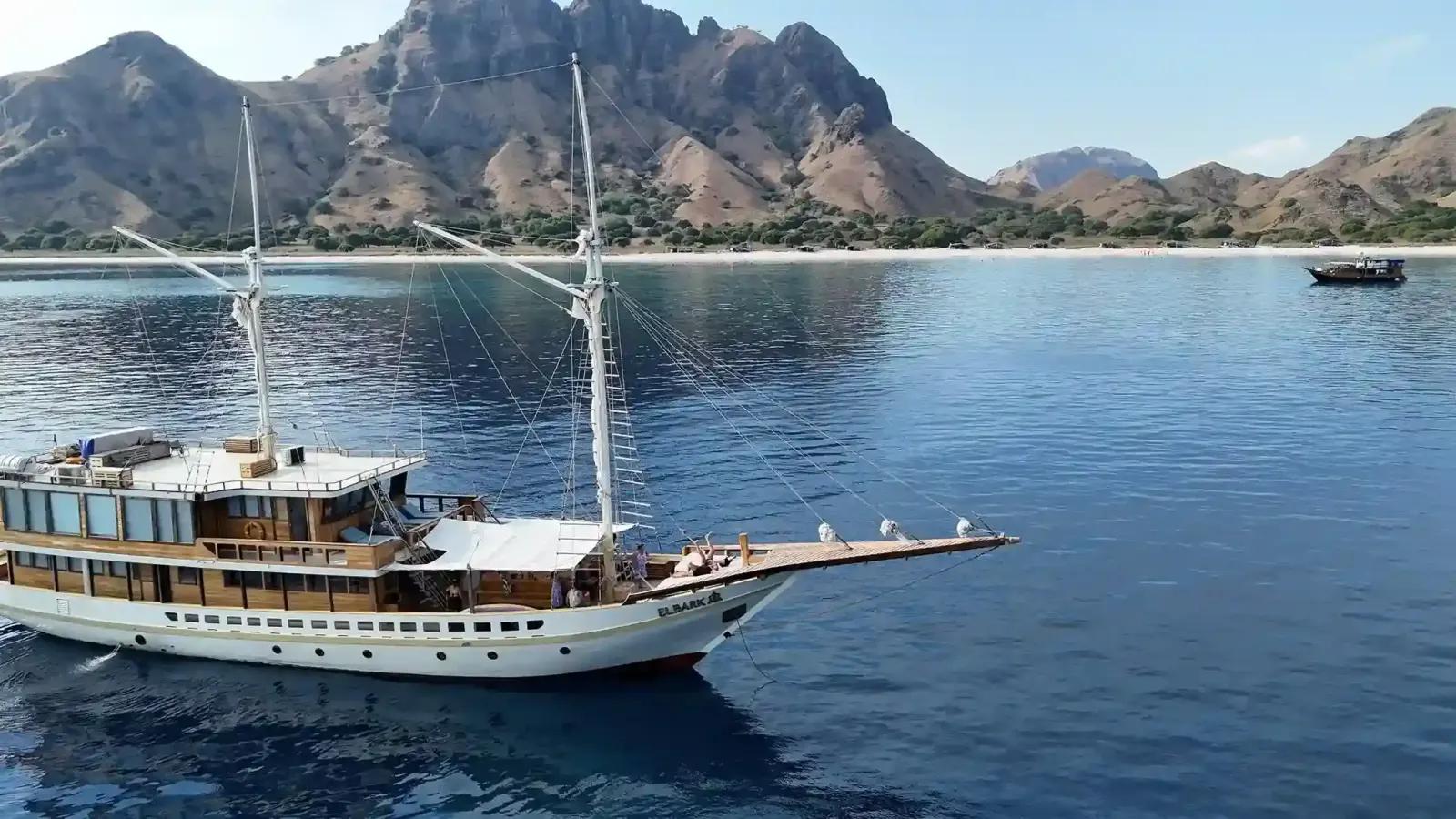
These are the questions guests ask when they book a phinisi directly with its owner. If you own one, or plan to, they are also the questions your booking desk must answer clearly — in writing, before anyone pays a deposit.
What a charter from an owner costs, and what can sit outside the quoted rate.
Divide the weekly rate by the days on board. For a high-end luxury operation that works out at roughly USD 10,000–14,000 a day (estimate), depending on the season.
Taxes, port charges and gratuities can sit outside the quoted rate. Clarify every cost before you finalise the booking.
Typically, yes — often a percentage of the total charter cost. Confirm the exact terms directly with the owner.
Sometimes. Early bookings and low-season dates are the usual levers, and negotiating directly with the owner is possible — but flexibility depends on demand and season, and nothing is guaranteed.
It can be. Demand is lower and some owners discount in that period — weigh it against the rougher seas of the rainy months.
Yes. Tipping is customary and appreciated, usually at the end of the charter. The amount is at your discretion, based on the service.
Dates, contracts, payment and cancellation — agree each in writing.
Several months ahead, especially for popular seasons. Last-minute bookings work only when the boat happens to be free.
Usually by signing a contract and paying a deposit. Make sure every term is clear before you proceed.
It varies by owner. Discuss and confirm the terms at the time of booking.
Bank transfer and credit card are common, but it varies. Confirm directly with the owner.
Travel dates, the number of guests and any special requests, dietary needs included. You will also need a valid passport and any visa required for Indonesia.
You can discuss a preferred route, but weather and local regulations decide. Many owners offer flexible itineraries within popular areas such as Komodo National Park.
Inclusions vary boat by boat. Confirm each one before you book.
Yes. A full crew is typically included on a luxury phinisi and handles all the sailing — no sailing experience is required from guests.
Meals often are — typically a mix of Indonesian dishes and international favourites. Alcoholic drinks may cost extra. Confirm the inclusions with the owner.
Typically, yes, though some water sports carry extra costs depending on the activity and equipment. Verify what is included before booking.
It varies. Most boats carry basic communication such as VHF radio; some add satellite phones or Wi-Fi. Check with the owner.
Owners are typically accommodating. Communicate your needs during the booking process, not on embarkation day.
Usually private cabins, often with ensuite facilities. Space on board is limited, so pack lightly.
What a well-run boat carries, and what guests need to travel.
Life jackets, emergency rafts and communication equipment, plus a safety briefing before departure on emergency procedures and equipment locations. Follow crew instructions at all times.
Rarely. Crews are trained in basic first aid and can coordinate evacuation to the nearest medical facility if needed.
Most visitors need one, depending on nationality. Check current requirements before planning — and travel with a valid passport.
Not always, but it is highly recommended to cover unforeseen events and emergencies.
Some areas require them, and phinisi operators typically handle the arrangements. Ask what is included in the quote.
When to sail, and where. Season decides sea state, visibility and price.
May to September, the dry season — calm seas and excellent visibility for diving.
October to April, when seas are calmer and diving conditions better.
Yes. It generally runs November to March, bringing rougher seas and reduced visibility.
Generally, yes — though the best sailing conditions fall between May and September.
Most focus on multi-day charters rather than day trips, so guests can fully experience the destinations along the route.
Buy vs build, budget ranges, legal structure, operating costs and exit.
Rate tiers times real occupancy, and what owners actually keep.
Verified revenue tiers, realistic Komodo occupancy and the only published P&L.
Entrance, diving, ranger and vessel charges — and the IDR 3.75M saga.
Can a wooden charter boat be insured in Indonesia? BKI class and survey history decide.
The two-masted Sulawesi rig, the wooden ship it became and the UNESCO-listed craft.
Write to the editorial desk with your stage, vessel size and the one thing you need clarified. You get a direct answer or a vetted introduction — not a sales pitch.